
How to Choose Gear That Works Harder While You Carry Less
Most people end up carrying more than they actually need. Bags get filled with backup items, “just in case” tools, and things that rarely see use. Over time, this adds unnecessary weight and slows you down. The smarter approach is to choose gear that does more work while taking up less space. With a few intentional decisions, you can build a setup that feels lighter, cleaner, and far more efficient.
Start With Purpose, Not Products
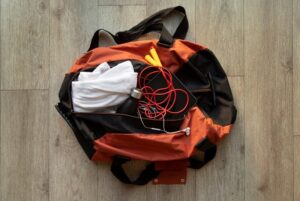 Before buying anything, the first step is figuring out what you actually need your gear to do. Many people skip this and jump straight into shopping, which leads to overpacking and clutter. Instead, think about your daily routine and the real problems you’re trying to solve. Once you’re clear on that, when you’re ready to explore more structured guidance, then match your gear to those specific needs and focus only on what truly earns its place in your setup.
Lightweight Materials Make a Big Difference
One of the fastest ways to reduce your load is by choosing lighter materials without sacrificing strength. Modern gear design has made it possible to have both durability and portability. High-quality nylon, aluminum blends, and composite materials all help cut weight while still handling daily wear and tear. The difference might not seem huge at first, but over time, carrying lighter items reduces fatigue and makes movement much easier, especially during long days or travel.
Smart Packing Keeps Everything in Order
Even good gear becomes frustrating if it’s not organized properly. That’s where smart packing systems come in. Using structured compartments or modular layouts helps you know exactly where everything is without wasting time searching. It also prevents overpacking because you can clearly see what fits and what doesn’t. A well-organized bag reduces stress and keeps your focus on using your gear instead of managing it.
Durability Reduces What You Need to Carry
A lot of people carry backups because they don’t fully trust their main gear. But investing in durable, high-quality items removes that need. When your gear is built to last, you don’t have to bring extra “just in case” replacements. This naturally reduces weight and frees up space for only the essentials. Over time, fewer failures also mean fewer interruptions in your daily routine.
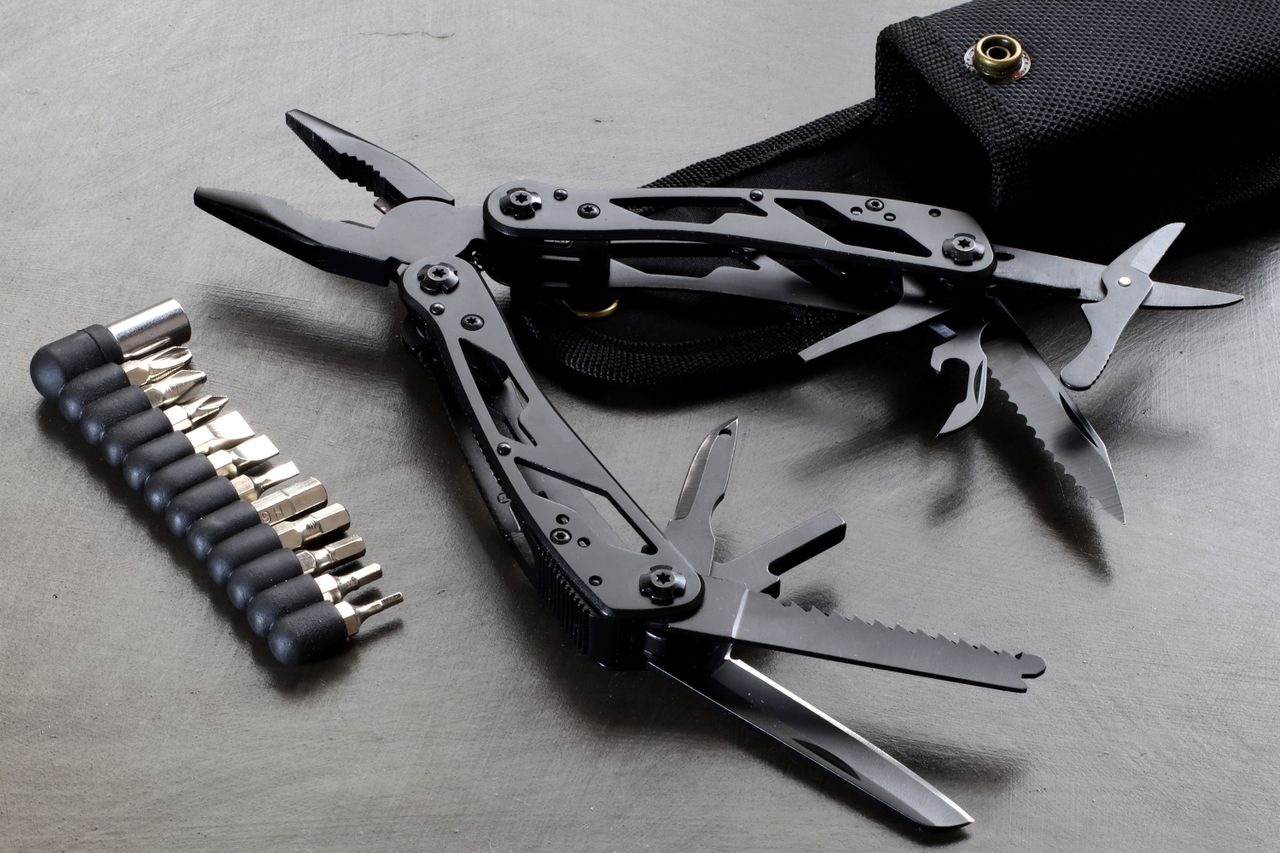
Multi-Function Gear Replaces Extra Items
Instead of packing several single-use tools, it makes more sense to choose items that serve multiple roles. A well-designed multi-function tool or accessory can replace several bulky alternatives. This doesn’t just save space—it also simplifies your decisions throughout the day. When everything you carry has more than one use, your setup becomes more efficient and easier to manage without constantly digging through your bag.
Adaptable Gear Works in More Situations
The best gear setups aren’t rigid—they adjust to different environments. Whether you’re moving between work, travel, or outdoor settings, adaptable gear helps you stay ready without switching out your entire setup. Items that can shift roles depending on the situation reduce the need to carry separate kits. This flexibility is what keeps your load light while still keeping you prepared for whatever comes up.
Carrying less doesn’t mean being less prepared. It means being more intentional with what you choose to bring along. When you focus on purpose, materials, functionality, and durability, your gear naturally becomes lighter and more effective. The result is a setup that supports your day without weighing you down, helping you move through life with less effort and more clarity.